
How Mulching Can Help You Build a Healthier Vegetable Garden
A healthy vegetable garden requires more than regular watering and the right plants. Soil conditions, moisture levels, and proper garden preparation all influence how well vegetables grow. One practical way to support these conditions is through mulching. When applied correctly, it can protect garden beds, improve soil quality, and create a more favorable environment for vegetable plants.
Understanding Mulch and Its Varieties
Exploring Organic Mulch Options
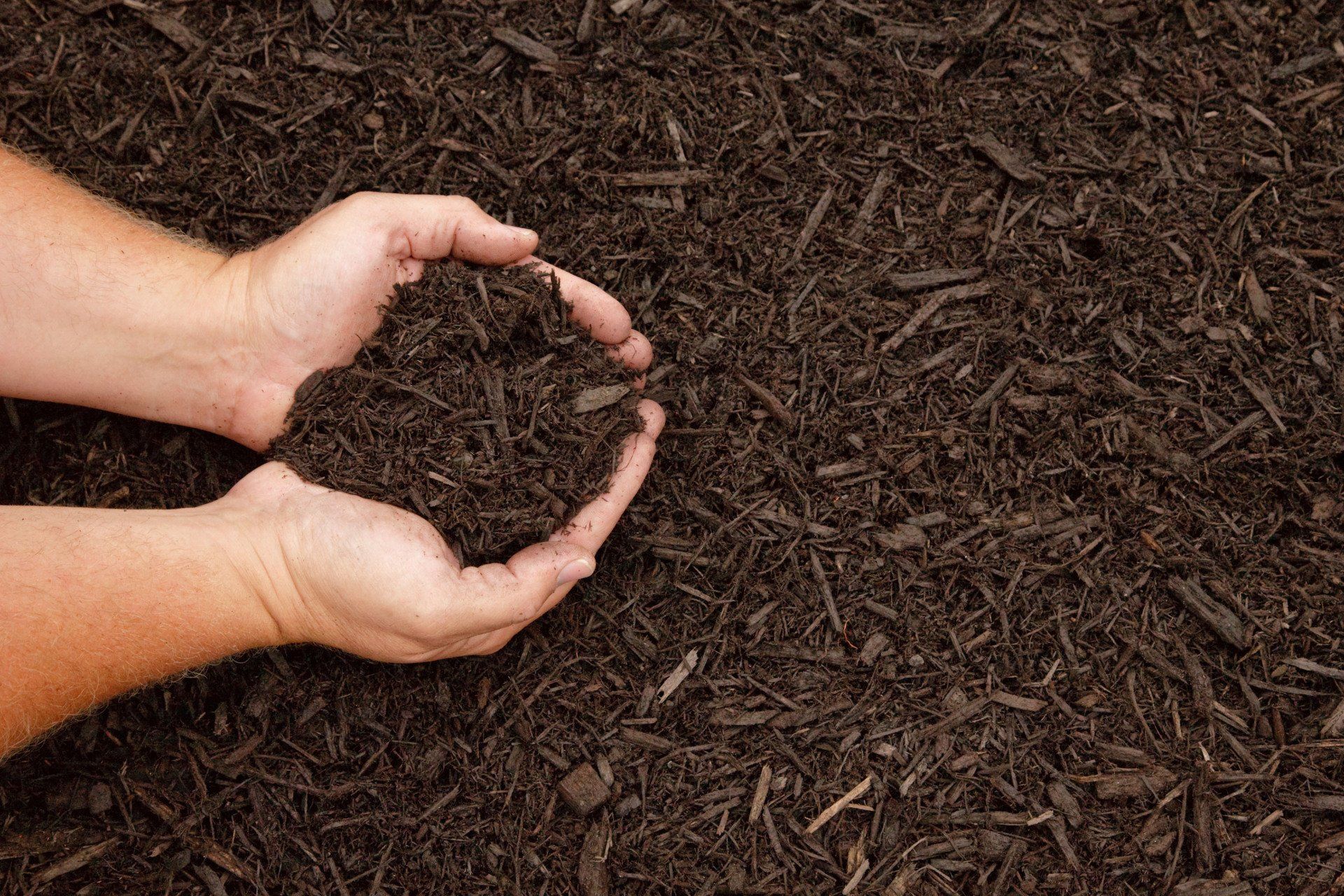
Organic mulch comes from natural materials, including straw, wood chips, shredded leaves, and grass clippings. These options can be particularly useful in vegetable gardens because they contribute organic matter as they decompose. Straw is popular for covering vegetable beds because it helps retain moisture and limit weeds. Proper mulching with these materials can also support healthier soil over time.
Shredded leaves can improve soil texture, while grass clippings provide nitrogen as they break down. Wood chips offer longer-lasting coverage, although they are generally better suited to pathways and areas surrounding established plants than directly mixed into vegetable beds.
Organic materials need occasional replenishment as they decompose. However, this gradual breakdown supports soil fertility and encourages beneficial biological activity. Using suitable yard waste can also reduce the amount of organic material sent to landfills.
Exploring Inorganic Mulch Options
Inorganic materials include gravel, stones, and plastic sheeting. Unlike organic options, these materials do not break down and improve soil fertility. However, they can provide effective weed suppression and erosion protection in appropriate landscape settings.
Gravel and decorative stones are commonly used around ornamental plants and garden pathways. Plastic sheeting can suppress weeds and warm the soil, although gardeners must consider drainage and water access before using it. These materials are generally less practical for vegetable beds that need regular soil amendments.
Selecting the Right Mulch for Vegetable Gardens
Choosing suitable materials depends on the plants being grown, existing soil conditions, and the garden's overall layout. Vegetable gardens generally benefit from organic options because they improve soil structure over time. Straw and shredded leaves are useful choices, while other materials may work better in surrounding landscape areas. Understanding the basics of mulching can help homeowners select materials that support their garden's needs.
Gardeners should also consider how much produce their households can realistically use. According to Investopedia, to avoid food waste, consider planting just one or two of each favorite vegetable rather than rows and rows simply because space is available. Planning a manageable garden makes it easier to maintain healthy plants and avoid unnecessary resource use.
Planning Seasonal Mulch Applications
Garden needs change throughout the year, making seasonal preparation important. In spring, applying a suitable layer after the soil has warmed can help retain moisture and limit early weed growth. Gardeners should avoid covering newly planted seedlings before they have enough room to establish themselves.
During summer, mulch helps protect roots from excessive heat and reduces water evaporation. In fall, another application can provide insulation for certain plants and protect exposed soil. Checking the condition of existing materials throughout the year helps maintain consistent coverage without applying more than necessary.
Improving Soil Health With Mulch
Retaining Essential Soil Moisture
Water availability directly affects vegetable growth. Exposed soil loses moisture through evaporation, especially during hot and windy weather. A protective covering slows this process, allowing water to remain available to plant roots for longer periods. This moisture-retention benefit is one of the primary reasons gardeners practice mulching.
This can reduce how frequently garden beds need watering while helping plants maintain more consistent moisture levels. However, mulch does not eliminate the need for irrigation. Gardeners should still check soil conditions and adjust watering based on rainfall, temperatures, and individual plant requirements.
Preventing Soil Erosion
Heavy rainfall and strong winds can gradually remove valuable topsoil from garden beds. This creates problems because the upper soil layer contains much of the organic matter and nutrients that support plant growth. Covering exposed ground helps keep soil particles in place.
Mulch also slows the movement of rainwater across the surface, allowing more water to soak into the ground. This is particularly helpful for raised beds, sloped gardens, and areas exposed to frequent storms. Preserving topsoil supports stronger root development and long-term garden productivity.
Supporting Soil Fertility
Organic materials contribute to soil fertility as they decompose. Their breakdown releases nutrients and increases organic matter, improving the soil's ability to support healthy plants. This process also encourages earthworms and beneficial microorganisms that help recycle nutrients.
Over time, organic matter can improve soil structure and its ability to retain both water and nutrients. These qualities are valuable for vegetable gardens because different crops have varying nutritional needs. Regular soil testing can help gardeners determine whether additional amendments are necessary. Organic mulching can complement these efforts by gradually adding natural material to the soil.
Regulating Soil Temperatures
Extreme soil temperatures can interfere with root development and plant growth. During hot weather, direct sunlight can heat exposed soil and increase moisture loss. A protective covering provides shade and helps keep the root zone cooler.
During cooler periods, mulch can also help insulate the ground and reduce sudden temperature fluctuations. This creates more stable growing conditions for plants that remain in the garden between seasons. However, gardeners should allow spring soil to warm appropriately before applying thick layers around heat-loving vegetables.
Reducing Soil-Related Plant Problems
Rain and overhead watering can splash soil onto vegetable leaves and stems. Because soil may contain disease-causing organisms, this contact can contribute to certain plant health problems. A layer of mulch creates a barrier that reduces direct contact between soil and foliage.
Keeping garden beds free of excessive weeds also reduces competition for water and nutrients. Although mulch cannot eliminate every pest or disease concern, it can support better growing conditions and make routine garden maintenance easier.
Applying Mulch for Better Garden Results
Preparing Garden Beds Before Application
Good preparation helps materials perform effectively. Start by removing existing weeds, clearing dead plant debris, and checking the condition of the soil. Adding compost or other appropriate amendments before covering the surface can address nutrient needs without requiring frequent disruption later.
Watering the soil before applying mulch can also help establish adequate moisture levels. Gardeners should leave some space around vegetable stems to prevent excessive moisture from collecting directly against plant tissue. Proper preparation creates a cleaner, more manageable growing area and provides a good foundation for effective mulching.
Maintaining Appropriate Coverage
The amount of material needed depends on its type and the garden's conditions. A layer of approximately two to three inches is often suitable for many organic materials, although finer products may require less. Applying too much can restrict airflow, keep soil excessively wet, or interfere with seedling development.
Gardeners should periodically inspect their beds for thin or uneven areas. Replenishing material when needed maintains consistent protection, but adding fresh layers without checking existing coverage can create unnecessary buildup. Keeping the material loose rather than compacted also helps water and air reach the soil.
Monitoring Plants and Soil Conditions
Even well-prepared garden beds require regular attention. Check soil moisture beneath the covering instead of relying only on how the surface looks. If the soil remains consistently wet, reduce watering or adjust the amount of material being used.
Watch for changes in plant growth, leaf color, and overall condition. These observations can help identify potential nutrient deficiencies, drainage problems, or watering concerns. Adjusting garden care based on actual conditions is more effective than following a rigid maintenance schedule. Consistent mulching and routine inspections can help homeowners maintain a productive vegetable garden.
Planning also matters. Selecting a manageable number of vegetables, preparing garden beds properly, and monitoring soil conditions can reduce waste while making routine maintenance more manageable. For help selecting plants and landscaping materials for a thriving outdoor space, contact Blooming House Nursery. Their team can help homeowners find suitable options for creating a healthy, attractive garden.



Share On: