
The Best Plants to Get for Your Garden Greenhouse
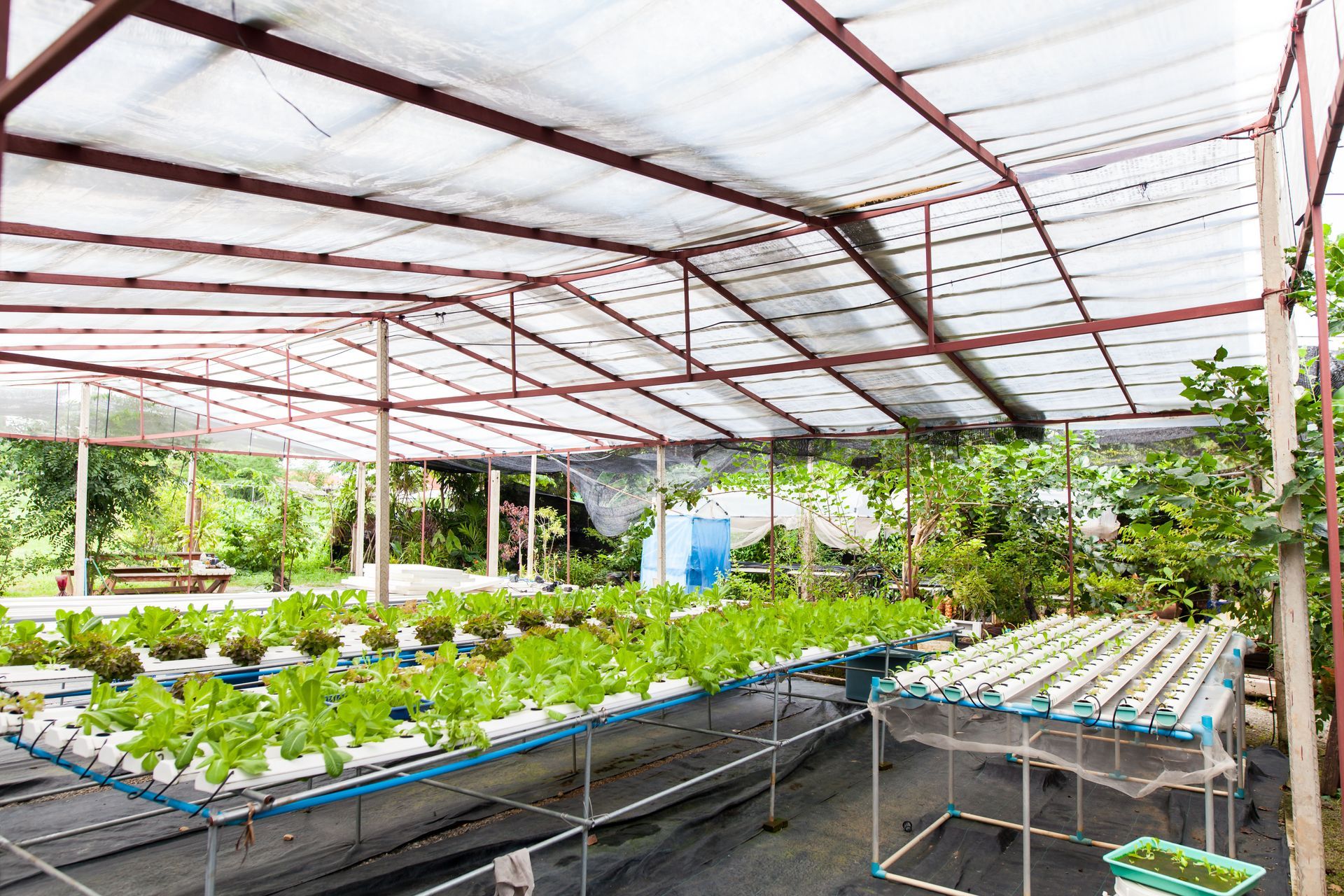
Gardening in a garden greenhouse offers unique benefits and opportunities, from extending the growing season to cultivating exotic species. The controlled environment of a garden greenhouse can protect plants from harsh weather conditions and pests, allowing for the cultivation of varieties that would not survive in outdoor conditions. Whether you are new to greenhouse gardening or seeking to expand your existing setup, understanding the needs and benefits of diverse plants is essential.
A garden greenhouse allows the cultivation of perennials, annuals, and even biennials with proper care, providing a sustainable way to enjoy fresh produce and flowers year-round. In this article, we will explore various plants to enhance your greenhouse experience, diving into their specific needs and benefits to help you create a thriving indoor oasis.
Beyond plant protection, a garden greenhouse gives growers precise control over temperature, humidity, and light exposure. This level of control supports healthier root development, stronger foliage, and more consistent growth cycles. It also allows gardeners to experiment with plant varieties that would otherwise struggle in unpredictable outdoor environments.
Succulents
Benefits of Growing Succulents in Greenhouses
Succulents are an excellent choice for any garden greenhouse due to their low maintenance requirements and striking aesthetic appeal.
Their ability to store water in leaves, stems, or roots allows succulents to thrive in controlled environments with minimal watering, making them ideal for greenhouse settings. These plants also contribute to improved air quality by releasing oxygen during photosynthesis, helping to create a fresher and more vibrant atmosphere. Moreover, growing succulents indoors protects them from extreme weather variations, allowing a wide range of species to be cultivated regardless of the local climate within a garden greenhouse.
Another advantage of growing succulents in a garden greenhouse is the ability to carefully regulate moisture levels. This helps prevent rot and fungal issues that often occur outdoors during periods of heavy rainfall. Greenhouse placement also allows succulents to receive consistent light without the risk of sun scorch.
Best Succulent Varieties for Greenhouses
Several succulent varieties flourish exceptionally well in greenhouse environments, adding texture and color to your collection. Popular choices include species like Echeveria, known for its rosette-shaped leaves and vibrant hues, and Jade Plants, which are hardy and can grow into sizable specimens. These varieties are also known for their adaptability and resilience, making them suitable for beginners and experienced gardeners alike.
Care Tips for Greenhouse Succulents
Proper care of succulents in a garden greenhouse involves balancing light, water, and temperature. Succulents thrive under bright, indirect light and require well-draining soil to prevent root rot. Overwatering is the most common mistake in succulent care, so it is crucial to let the soil dry out completely between watering sessions.
Herbs
Why Choose Herbs for Your Greenhouse?
Herbs are a delightful addition to any garden greenhouse due to their culinary, aromatic, and medicinal uses. Growing herbs indoors enables you to have fresh ingredients at your fingertips all year round, regardless of outdoor climate conditions. Greenhouses can provide the ideal conditions for herbs like basil, rosemary, and mint, which thrive in warmer environments with consistent light and humidity.
Many gardeners appreciate herbs because they grow quickly and can be harvested repeatedly without harming the plant. This makes herbs especially rewarding in a garden greenhouse, where space efficiency and continual yield are priorities.
Top Herb Varieties to Cultivate
The diverse range of herbs suitable for greenhouse gardening allows for creative culinary experimentation and holistic natural remedies. Lavenders are renowned for their soothing fragrance, while parsley and chives add flavor to everyday meals. Herbs like thyme and oregano are resilient and adapt well to a garden greenhouse setting.
Maintaining Optimal Conditions for Herbs
For greenhouse herbs to thrive in a garden greenhouse, it is essential to monitor environmental conditions such as light, temperature, and humidity. Most herbs prefer well-draining soil and benefit from regular trimming to promote lusher growth. According to the University of Florida, perennials grow in every season and can come back year after year with proper care, making them an excellent long-term option for consistent greenhouse planting.
Tropical Plants
Introducing Tropical Plants to Your Greenhouse
Tropical plants can transform a garden greenhouse into a lush paradise, adding a dash of exotic appeal and diversity. These plants thrive in warm, humid environments, which greenhouses are ideally suited to provide.
Tropical species often benefit from greenhouse conditions because they are shielded from sudden temperature drops. This stability supports consistent leaf growth and encourages flowering cycles that are difficult to achieve outdoors.
Popular Tropical Species and Their Needs
Some of the most popular tropical plants that thrive in greenhouse environments include Bird of Paradise, Philodendron, Banana plants, and Orchids. These species require environments that mimic their native habitats, with warm temperatures and elevated humidity levels.
Creating a Tropical Microclimate
To successfully grow tropical plants in a garden greenhouse, creating a microclimate that mimics their native conditions is key. Consistent temperatures, controlled humidity, and proper ventilation all contribute to healthy tropical growth.
Vegetables
Why Grow Vegetables in a Greenhouse?
Growing vegetables in a garden greenhouse can significantly increase food production while extending the growing season. The ability to control environmental factors such as light, temperature, and humidity allows vegetables to thrive regardless of outdoor conditions.
A garden greenhouse also reduces reliance on chemical pest control, since crops are better protected from insects and wildlife. This leads to cleaner, healthier produce for household consumption.
Best Greenhouse Vegetable Varieties
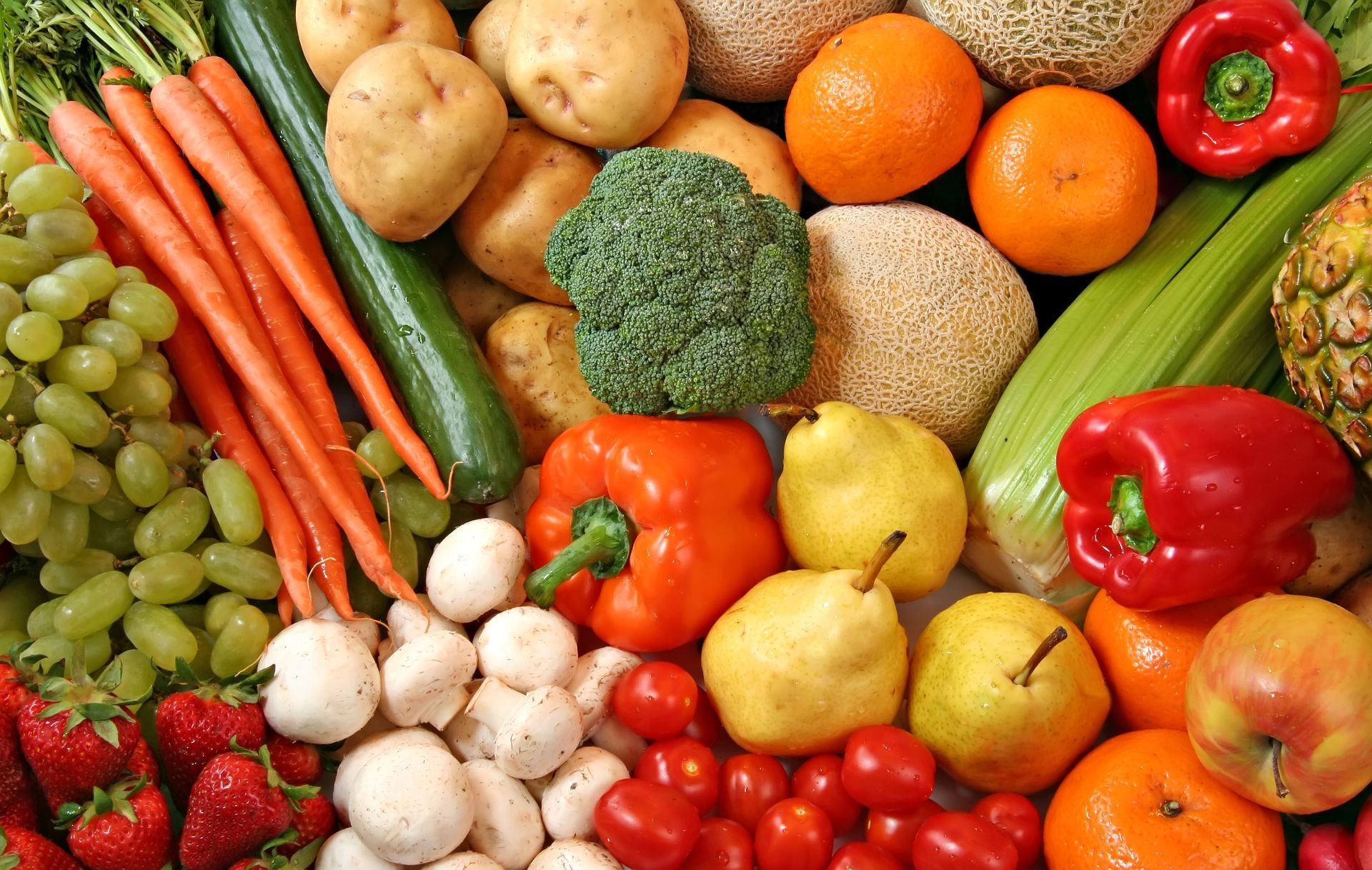
Tomatoes, cucumbers, peppers, and leafy greens are well-suited for greenhouse cultivation. These vegetables respond well to consistent warmth and protected growing conditions, leading to healthier plants and improved yields.
Maximizing Yield: Tips and Tricks
To maximize vegetable yields in a garden greenhouse, focus on planting schedules, soil health, and pest management. Vertical growing methods and routine maintenance help optimize available space and productivity.
Fruits
Advantages of Greenhouse Fruit Cultivation
Fruit cultivation in a garden greenhouse makes it possible to grow varieties that might not survive outdoors. Controlled climates support better flowering, fruit set, and overall crop consistency.
Fruit plants benefit from reduced stress when grown in a greenhouse, resulting in sweeter flavors and more uniform harvests throughout the season.
Ideal Fruit Species for Your Greenhouse
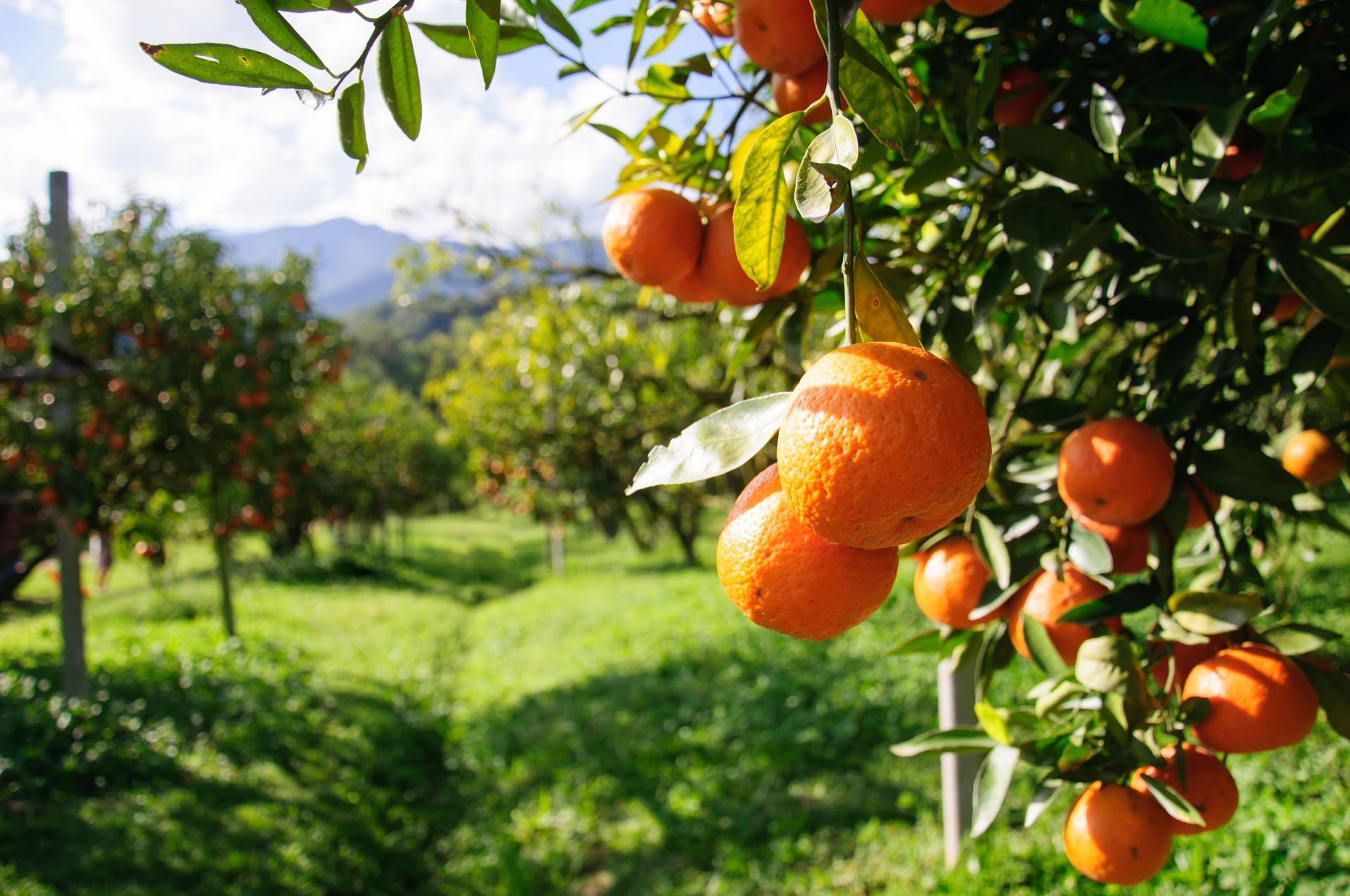
Strawberries, grapes, and citrus trees are excellent choices for greenhouse environments, offering reliable harvests with proper care and sunlight exposure.
Pollination and Fertilization in Greenhouses
Pollination plays a critical role in fruit production within a garden greenhouse. Manual pollination or managed pollinators, combined with routine fertilization, support strong yields and healthy growth.
Ornamental Flowers
Enhancing Your Greenhouse with Ornamentals
Ornamental flowers add color and texture to a garden greenhouse, creating a visually engaging environment. They also attract beneficial insects and complement edible plants.
Many ornamentals bloom longer in greenhouse settings because environmental stressors are minimized. This allows gardeners to enjoy vibrant displays across multiple seasons.
Colorful Varieties to Consider
African violets, begonias, and fuchsias thrive in greenhouse settings, offering vibrant blooms and long-lasting visual appeal throughout the year.
Light and Temperature Requirements
Managing light and temperature in a garden greenhouse supports healthy ornamental growth and consistent flowering cycles.
A well-planned garden greenhouse can become a productive and visually appealing growing space. By selecting a diverse mix of plants and maintaining consistent care, your garden greenhouse can support year-round enjoyment, fresh harvests, and continued gardening success. Visit Blooming House Nursery today to see our selection!


Share On: